Buildings organize not only space, but aspiration, and luxury is a process of becoming, not a finished state.
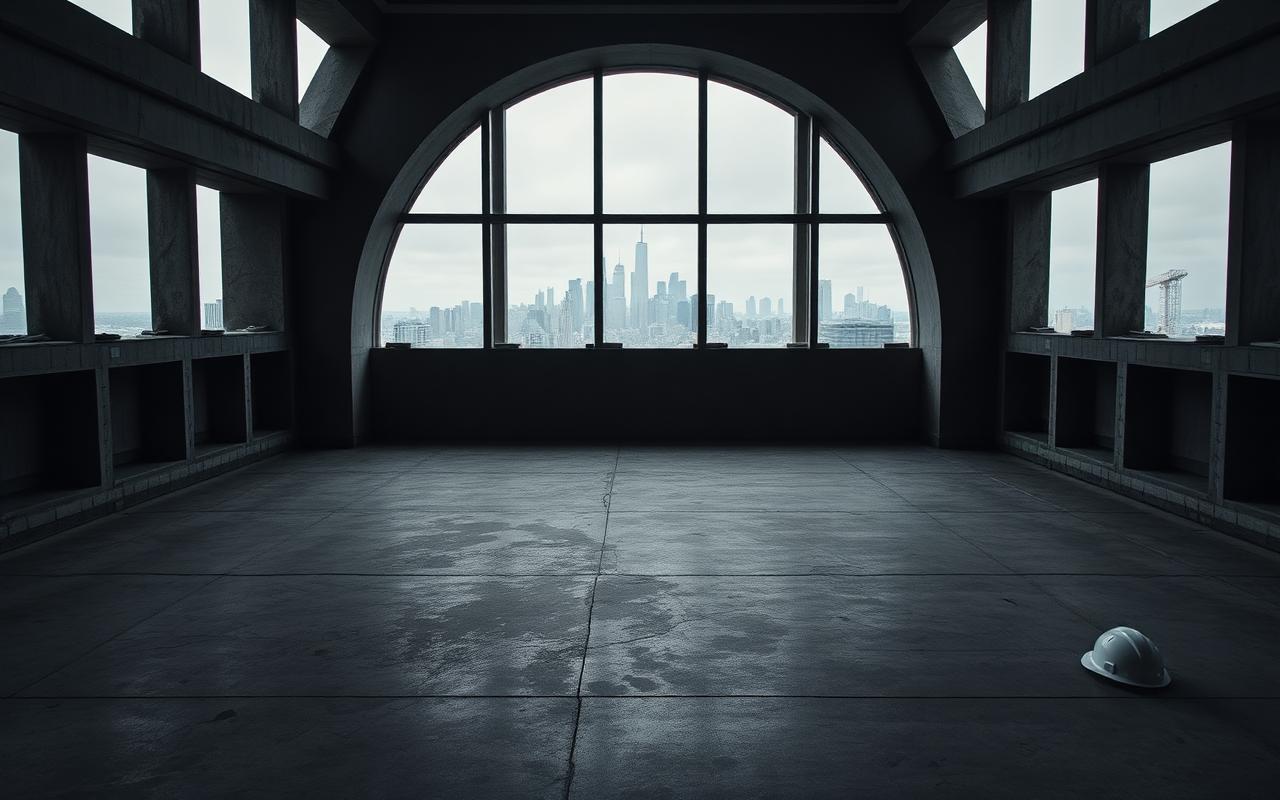
Bare concrete, arched openings, city beyond, the residence as pure possibility.
Domain · III
Anatomy of this entry
Premise, evidence, learning, lesson. The chain the note is built on.
01PremiseBuildings organize not only space, but aspiration, and luxury is a process of becoming, not a finished state.
02Evidence · 00 notes1 photographs logged in the room itself.
03Learnings · 03What transferred out of the visit.
04LessonSell the becoming. The unfinished tower is possibility made visible, and efficiency is its own kind of premium.
Buildings organize not only space, but aspiration, and luxury is a process of becoming, not a finished state. What exists in a sales suite or a raw floor plate is possibility: the polished residence does not yet exist, but the buyer commits to it. That tension runs through the domain: one form of luxury is monumental and resource-heavy, another is intelligent, efficient and adaptive.
What the experience taught
Buyers commit to buildings that do not exist; the sales instrument is a persuasive future.
Visit the raw floor, proportion, light and structure are legible before finishes hide them.
Efficiency (material, energy, footprint) now reads as sophistication, not compromise.
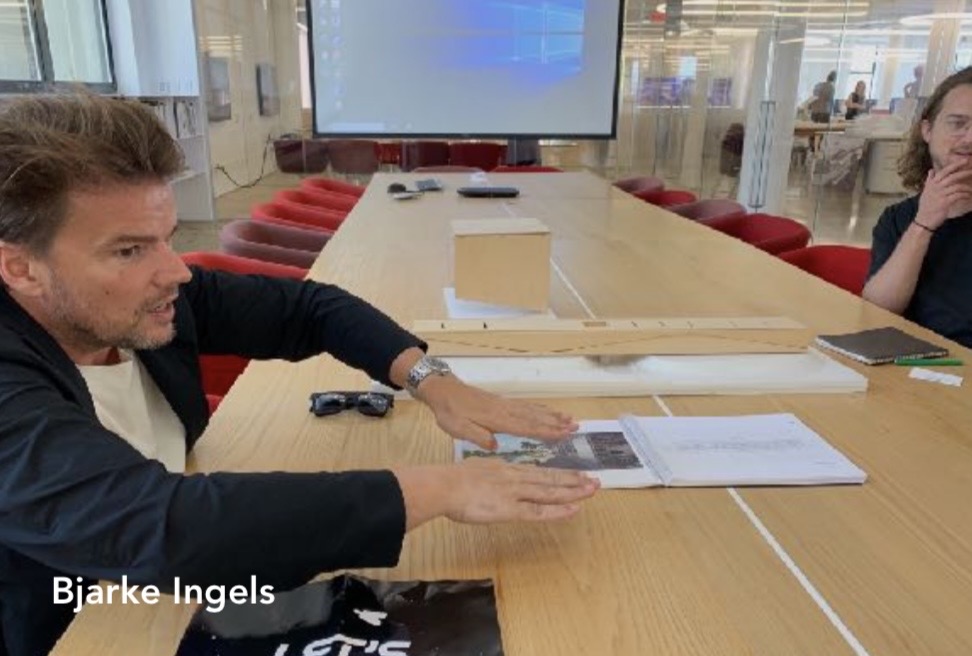
Bjarke Ingels Group, Copenhagen: a conversation about kinetic architecture, buildings that move and respond.
The unfinished floor plate is the most honest sales document in real estate.
LessonSell the becoming. The unfinished tower is possibility made visible, and efficiency is its own kind of premium.